
Pacha Soap Products Do Not Contain Advertised Ingredients, Class Action Lawsuit Says
Keene v. Pacha Soap Co.
Filed: March 23, 2026 ◆§ 3:26-cv-02520
A class action lawsuit says that Pacha Soap products do not contain the advertised ingredients sea salt, mint and eucalyptus.
California Unfair Competition Law California Consumers Legal Remedies Act California False Advertising Law
California
A proposed class action lawsuit claims that Pacha Soap Company has falsely advertised that its soaps, lotions and body washes contain the skin-friendly ingredients sea salt, mint and eucalyptus.
Want to stay in the loop on class action lawsuits that matter to you? Sign up for ClassAction.org’s free weekly newsletter.
The 31-page false advertising lawsuit contends that Pacha Soap charges a “premium price” for the products based on labeling and advertisements that emphasize that they contain sea salt, mint and eucalyptus. In reality, the filing says, these ingredients are nowhere to be found in the products, which instead contain synthetic ingredients such as fragrance and phenoxyethanol.
Per the class action lawsuit, synthetic fragrance includes “unknown and unregulated chemical compounds,” while phenoxyethanol has been the subject of FDA concerns that it may “depress the central nervous system” and cause vomiting and diarrhea in infants.
The case argues that a reasonable consumer would rely on advertising and labels that “prominently featured” sea salt, mint, and eucalyptus as key ingredients when making purchasing decisions. Pacha Soap’s marketing campaigns include depictions of the soap and lotions staged with eucalyptus, mint leaves and sea salt crystals, while the containers bear a front label that explicitly mentions these three ingredients, the filing relays.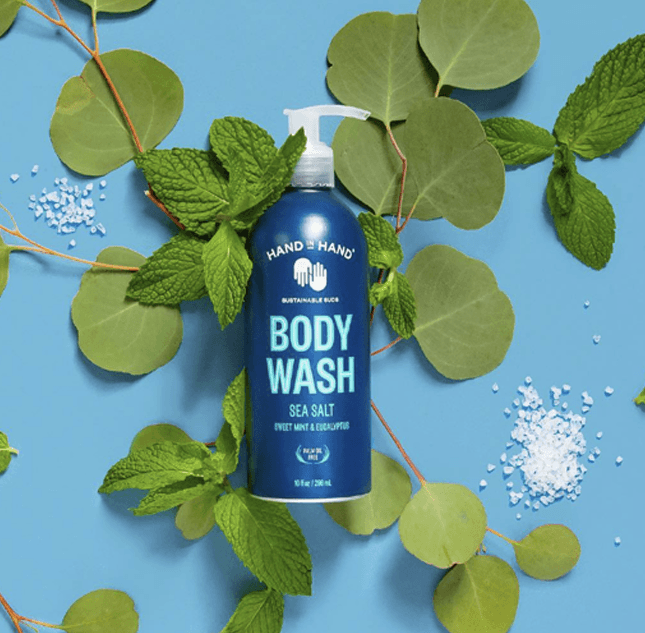
According to the complaint, consumer demand is higher for products containing these ingredients due to their actual and perceived dermatological benefits.
Sea salt can help improve the skin barrier, reduce inflammation, moisturize skin, promote blood circulation and act as a natural antimicrobial, the case shares. Furthermore, eucalyptus is believed to aid acne-prone and irritated skin with its anti-inflammatory properties. Finally, mint provides “robust antioxidant protection” for the skin and also contains hydrating, antimicrobial and skin-cleansing properties, the suit states.
Consumers who have purchased the Pacha Soap products at issue have not received the benefit of their bargain, given that the body care products do not contain the advertised ingredients.
“[Pacha Soap] knew that consumers would pay more for a product marketed as containing sea salt, mint and eucalyptus and intended to deceive Plaintiff and putative Class Members by labeling and marketing the Products as purportedly containing these three ingredients,” the filing states.
The Pacha Soap class action lawsuit seeks to represent all consumers who purchased the affected Pacha personal care products in California during the applicable statute of limitations period.
Check out ClassAction.org’s lawsuit list for current class action lawsuits.
Video Game Addiction Lawsuits
If your child suffers from video game addiction — including Fortnite addiction or Roblox addiction — you may be able to take legal action. Gamers 18 to 22 may also qualify.
Learn more:Video Game Addiction Lawsuit
Kratom 7-OH Lawsuits
Anyone who has used 7-OH kratom products and suffered a serious injury, such as overdose, heart attack or addiction, may be able to take legal action.
Read more: Kratom 7-OH Lawsuits
How Do I Join a Class Action Lawsuit?
Did you know there's usually nothing you need to do to join, sign up for, or add your name to new class action lawsuits when they're initially filed?
Read more here: How Do I Join a Class Action Lawsuit?

Stay Current
Sign Up For
Our Newsletter
New cases and investigations, settlement deadlines, and news straight to your inbox.
Before commenting, please review our comment policy.