
Lunazul Lawsuit Claims Tequila Not ‘100% Agave’ as Advertised
Dubreu et al. v. Heaven Hill Distilleries, Inc. et al.
Filed: May 7, 2026 ◆§ 1:26-cv-05330
A class action lawsuit claims that Lunazul tequila is made from alternative sugar sources and is not ‘100% agave’ as advertised.
Illinois Consumer Fraud and Deceptive Business Practices Act New York General Business Law California Unfair Competition Law Washington Consumer Protection Act New Jersey Consumer Fraud Act California Consumers Legal Remedies Act Delaware Consumer Fraud Act Michigan Consumer Protection Act Oklahoma Consumer Protection Act South Carolina Unfair Trade Practices Act Tennessee Consumer Protection Act Montana Unfair Trade Practices and Consumer Protection Act Colorado Consumer Protection Act Wisconsin Deceptive Trade Practices Act New Mexico Unfair Trade Practices Act Iowa Consumer Frauds Act Illinois Uniform Deceptive Trade Practices Act Kansas Consumer Protection Act District of Columbia Consumer Protection Procedures Act Hawaii Revised Statues Nebraska Consumer Protection Act
Illinois
A proposed class action lawsuit claims that Heaven Hill Distilleries falsely advertises its Lunazul tequila as “100% agave,” given that the product is adulterated with non-agave sugars during the fermentation process.
Want to stay in the loop on class action lawsuits that matter to you? Sign up for ClassAction.org’s free weekly newsletter.
The 34-page complaint contends that Heaven Hill Distilleries and its Mexican manufacturing partner, Tierra de Agaves, deceptively market the purportedly 100-percent agave, zero-additive Lunazul tequilas, even though independent testing has revealed that the products’ ethanol is derived in material part from non-agave sources, such as corn or sugarcane.
According to the suit, consumers’ understanding of the term “100% agave” is consistent with Mexican tequila labeling regulations in that a reasonable shopper understands the claim to mean every drop of liquid in the bottle came from fermented agave sugar, “with no cane, corn, or other non-agave sugar source introduced at any stage of production.”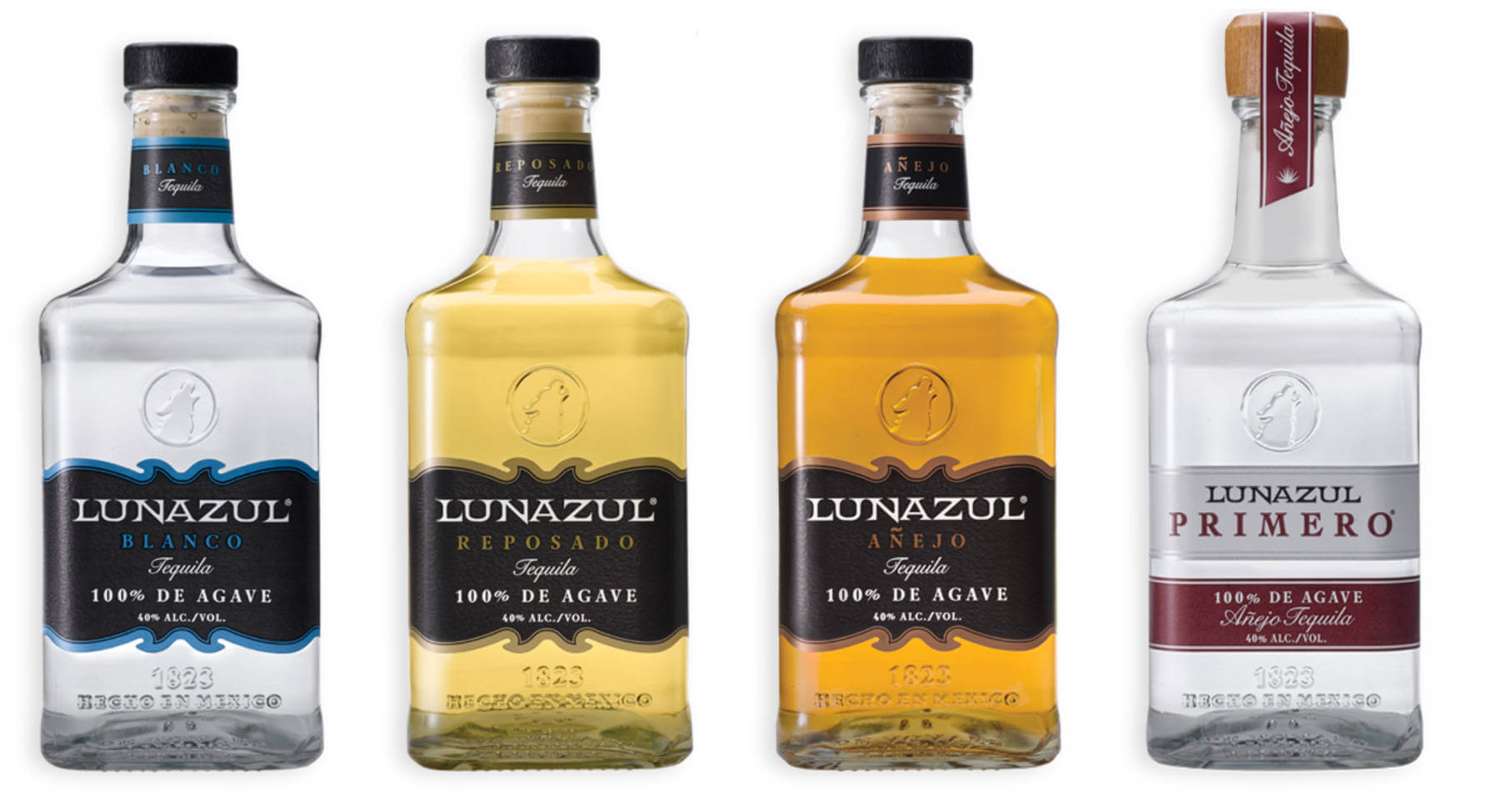
The complaint explains that tequila labeled 100-percent agave is widely regarded as higher quality than “mixto” tequila, which can legally contain up to 49 percent non-agave sugars.
Because consumers cannot verify or test the accuracy of these claims on their own, producers can charge a significant price premium for products marketed as “100% agave,” the lawsuit argues.
“A representation that a product is ‘100% agave’ is therefore not a matter of degree but a categorical assertion: any addition of non-agave sugar, in any amount, makes the claim false,” the filing states.
The accusations in the lawsuit are based on testing conducted by an independent, accredited laboratory in France using carbon isotope analysis to examine the tequila’s molecular composition. According to the complaint, all four tested samples of Lunazul tequila were deemed “not compliant” with the specific isotopic signatures associated with alcohol fermented from agave, allegedly indicating the presence of sugars from other sources.
Despite this, the lawsuit says, “100% agave” labeling appears consistently across all Lunazul tequila bottles and in marketing and promotional materials, conveying to consumers that the product is premium, authentic agave tequila.
The suit claims the “100% agave” misrepresentation has enabled the defendants to sell roughly 54 million bottles of Lunazul Tequila in the United States since May 2021, generating over $1 billion in sales.
The case further alleges that the mislabeling of tequila products as “100% agave” despite the use of alternative sugars is a “widespread industry practice.” Per the complaint, this is due to the “mathematically irreconcilable” volume at which 100-percent agave tequila has been produced in recent years in comparison to the supply of agave in Mexico, which has dwindled substantially due to unfavorable weather conditions and growing demand.
The Lunazul class action lawsuit seeks to represent all consumers who purchased Lunazul tequila in the United States.
Looking for current class action lawsuits to join? Check out ClassAction.org’s class action lawsuit list.
Video Game Addiction Lawsuits
If your child suffers from video game addiction — including Fortnite addiction or Roblox addiction — you may be able to take legal action. Gamers 18 to 22 may also qualify.
Learn more:Video Game Addiction Lawsuit
Kratom 7-OH Lawsuits
Anyone who has used 7-OH kratom products and suffered a serious injury, such as overdose, heart attack or addiction, may be able to take legal action.
Read more: Kratom 7-OH Lawsuits
How Do I Join a Class Action Lawsuit?
Did you know there's usually nothing you need to do to join, sign up for, or add your name to new class action lawsuits when they're initially filed?
Read more here: How Do I Join a Class Action Lawsuit?

Stay Current
Sign Up For
Our Newsletter
New cases and investigations, settlement deadlines, and news straight to your inbox.
Before commenting, please review our comment policy.