
Roku Facing Class Action Lawsuit After ‘Quietly’ Removing Motion Snapshot Feature from Smart Home Cameras
Moses v. Roku, Inc.
Filed: March 5, 2026 ◆§ 3:26cv1422
Roku faces a lawsuit after removing certain motion alerts from its smart home cameras and forcing consumers to pay for a subscription to use the feature.
California Unfair Competition Law California Consumers Legal Remedies Act Computer Fraud and Abuse Act California False Advertising Law
California
Roku faces a proposed class action lawsuit after allegedly quietly removing the Motion Snapshot tool from its Smart Home cameras, forcing users without a Roku subscription, who once were able to access still images of detected motion or sound without one, to pay to access the once-free key surveillance feature.
Get class action lawsuit and settlement news sent to your inbox – sign up for ClassAction.org’s free weekly newsletter.
The 35-page lawsuit argues that the Roku cameras at issue are worth less than what consumers paid without the critical Motion Snapshot feature, once a base, pre-existing function in every Roku home security camera regardless of subscription status, and says the defendant has effectively “coerced” customers into buying a subscription to maintain the utility of their cameras. Per the complaint, although all Roku camera users have access to live feeds, they cannot access past motion events without a Roku subscription or a micro-SD card in their cameras.
“Accordingly, users without a subscription now only receive Motion Alerts with no corresponding image to determine what triggered the Motion Alert,” the filing says. “If users with a Roku Subscription decide to cancel their subscription, they would no longer be able to review any prior motion events, including Motion Snapshots.”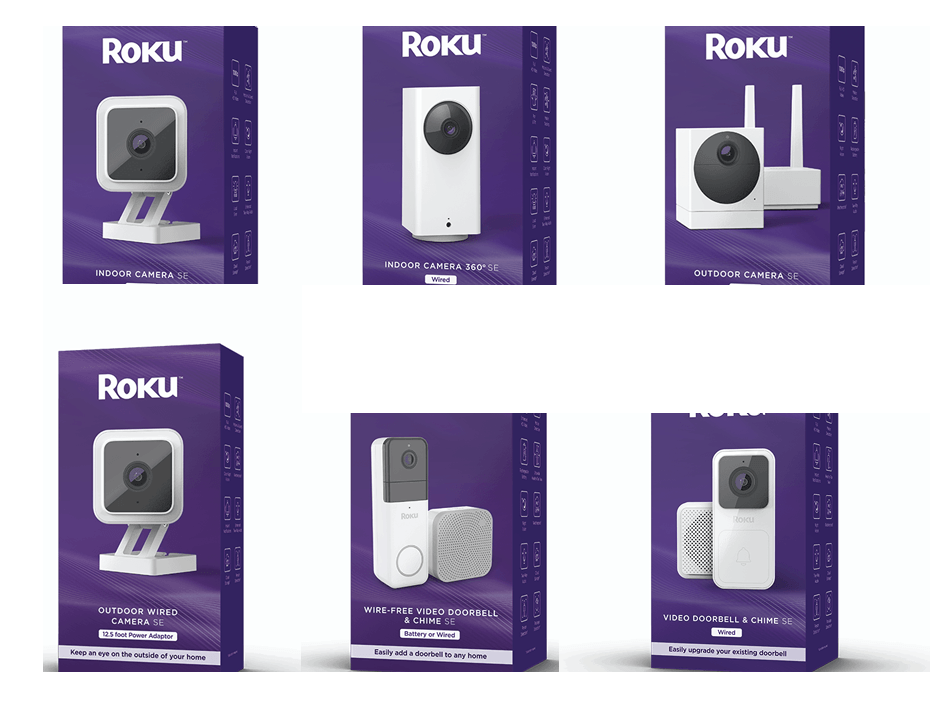
The case stresses that despite removing the Motion Snapshot feature, Roku has not offered compensation, discounts or “anything else” to buyers.
“Rather, Roku saves money by not having to maintain a Cloud database for users of Roku Cameras without a Roku Subscription,” the suit claims.
According to the complaint, Roku’s Motion Snapshot feature was one aspect of a real-time motion alert system that, in conjunction with an auditory detection feature, could send a real-time alert to a user to inform them when their security cameras picked up any unexpected activity. The case outlines that users with a paid Roku subscription were given access to saved video recordings of detected motion or sounds, while users without a Roku Smart Home subscription were sent still images of what their cameras detected.
However, the filing says that on or around July 16, 2025, Roku suspended the Motion Snapshot feature from all cameras, meaning that users without subscriptions would now only be sent motion alerts with no corresponding image of what their cameras detected.
The case asserts that this change came despite Roku extensively promoting its security cameras after their release in October 2022, with motion and sound detection alerts as a key feature “[i]ncluded with every Roku Camera.”
Many consumers claim to have relied upon these promotions when making their purchasing decisions, the lawsuit shares. Accordingly, after the Snapshot feature was removed, many consumers without paid Roku accounts came online to find support and determine the company’s culpability in removing the feature without warning.
“By quietly removing the Motion Snapshots feature, Roku acted deceptively, dishonestly, and unfairly,” the lawsuit argues. “In doing so, Roku breached its contract with Plaintiff, violated the Computer Fraud and Abuse Act, and violated consumer protection statutes and/or common law[.]”
The Roku security camera class action lawsuit seeks to represent all persons worldwide who purchased any Roku Smart Home Cameras prior to July 16, 2025 and still owned the device on or after that date.
Check out ClassAction.org’s lawsuit list for the latest top class action lawsuits.
Video Game Addiction Lawsuits
If your child suffers from video game addiction — including Fortnite addiction or Roblox addiction — you may be able to take legal action. Gamers 18 to 22 may also qualify.
Learn more:Video Game Addiction Lawsuit
Kratom 7-OH Lawsuits
Anyone who has used 7-OH kratom products and suffered a serious injury, such as overdose, heart attack or addiction, may be able to take legal action.
Read more: Kratom 7-OH Lawsuits
How Do I Join a Class Action Lawsuit?
Did you know there's usually nothing you need to do to join, sign up for, or add your name to new class action lawsuits when they're initially filed?
Read more here: How Do I Join a Class Action Lawsuit?

Stay Current
Sign Up For
Our Newsletter
New cases and investigations, settlement deadlines, and news straight to your inbox.
Before commenting, please review our comment policy.