
Keurig Class Action Lawsuit Says K-Cups Are Falsely Advertised as Recyclable
Dixon v. Keurig Dr Pepper, Inc.
Filed: April 7, 2026 ◆§ 3:26-cv-02172
A class action lawsuit claims that Keurig falsely advertises that its K-Cups are recyclable, even though most end up in landfills.
California
A proposed class action lawsuit alleges Keurig Dr. Pepper has misled consumers by advertising its single-use K-Cups as recyclable, even though they are not accepted by most recycling centers.
Want to stay in the loop on class action lawsuits that matter to you? Sign up for ClassAction.org’s free weekly newsletter.
The 33-page lawsuit contends that Keurig has sought to capitalize on consumer demand for environmentally friendly products by promoting the K-Cup beverage pods as recyclable across the product’s packaging, retail listings, and in marketing campaigns.
According to the complaint, however, the company’s use of the term “recyclable” is false and misleading, given that the “vast majority” of consumers cannot recycle K-Cups due to their small size, irregular shape, multi-material construction, frequent contamination issues and other “unfavorable economic factors.”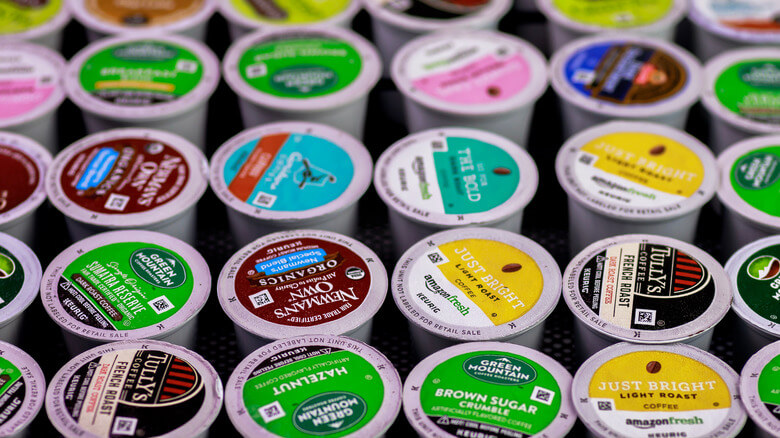
The filing says that Keurig touts its K-Cup pods as recyclable because of their construction from polypropylene #5 plastic. However, the suit stresses that Keurig’s definition of recyclable is “purely theoretical” in that it ignores the Federal Trade Commission’s Green Guides principles and “does not align with consumer understanding.”
According to the complaint, Keurig has been aware since at least 2016 that consumer sustainability concerns could impact sales and brand image. In response to pressure from investors and eco-conscious consumers, the company transitioned its pods to #5 plastic instead of #7 plastic, and Keurig pledged that 100 percent of its K-Cup pods would be recyclable by the end of 2020, the lawsuit says.
Although Keurig told investors in 2019 that it was on track to meet its recyclability goal, the company left out key details concerning some of the facilities that would be tasked with recycling the K-Cups, the case relays.
“Keurig did not disclose, however, that two of the largest recycling companies in the United States—together operating more than one-third of U.S. recycling facilities—had raised serious concerns regarding the recyclability of K-Cup pods and informed Keurig that they did not intend to accept them,” the filing states.
The complaint also points to a prior enforcement action from the U.S. Securities and Exchange Commission, which resulted in a cease-and-desist order and $1.5 million penalty after Keurig Dr. Pepper failed to disclose recyclability concerns flagged by recycling processors.
Related Reading: Reynolds Consumer Products AG Settlement Ends Litigation Over Allegedly Non-Recyclable Hefty ‘Recycling’ Bags
The lawsuit stresses that K-Cups are not widely recycled due to their small size and irregular shape, which can interfere with sorting machines; their multi-material construction, which consists of plastic, foil, filters, and residual coffee grounds; and contamination from liquids and organic waste. Further, the added labor required to separate and clean the pods reduces the economic incentive for recycling facilities to process them, the complaint mentions.
The suit, citing 2025 research conducted by TINA.org and SCS Engineers, a national environmental consulting firm, states that municipal recycling programs across major U.S. markets generally do not accept K-Cups, despite Keurig’s representations, and instead send the pods to landfills.
Despite this, Keurig continues to suggest to consumers that they may place used K-Cups in curbside recycling bins without prominently disclosing the pods’ non-recyclability, the suit claims.
Keurig is no stranger to controversy over the recyclability of K-Cups, the case adds, as there have been class action settlements in 2022 in Canada and 2023 in the United States that required the company to pay millions.
The complaint alleges that Keurig’s “recyclable” representations have allowed the company to charge a price premium for its pods while misleading consumers as to the products’ environmental impact.
The Keurig lawsuit looks to represent all individuals in the United States who purchased single-serve K-Cup pods during the applicable statute of limitations period.
Looking for current class action lawsuits to join? Check out ClassAction.org’s class action lawsuit list.
Video Game Addiction Lawsuits
If your child suffers from video game addiction — including Fortnite addiction or Roblox addiction — you may be able to take legal action. Gamers 18 to 22 may also qualify.
Learn more:Video Game Addiction Lawsuit
Kratom 7-OH Lawsuits
Anyone who has used 7-OH kratom products and suffered a serious injury, such as overdose, heart attack or addiction, may be able to take legal action.
Read more: Kratom 7-OH Lawsuits
How Do I Join a Class Action Lawsuit?
Did you know there's usually nothing you need to do to join, sign up for, or add your name to new class action lawsuits when they're initially filed?
Read more here: How Do I Join a Class Action Lawsuit?

Stay Current
Sign Up For
Our Newsletter
New cases and investigations, settlement deadlines, and news straight to your inbox.
Before commenting, please review our comment policy.