
Gatorade Lawsuit Cries Foul on ‘No Artificial Flavors, Sweeteners, or Colors’ Label Claim
Leam et al. v. PepsiCo, Inc. et al.
Filed: May 21, 2026 ◆§ 1:26-cv-04258
A class action lawsuit says that Gatorade is not more hydrating than water or free from artificial flavors as advertised.
Illinois Consumer Fraud and Deceptive Business Practices Act New York General Business Law California Consumers Legal Remedies Act Pennsylvania Unfair Trade Practices and Consumer Protection Law North Carolina Unfair and Deceptive Trade Practices Act California False Advertising Law
New York
A proposed class action lawsuit alleges that Gatorade maker PepsiCo has falsely advertised the ubiquitous sports drink as more hydrating than water and the reduced-sugar version free from artificial flavors, sweeteners and added colors.
Get class action lawsuit and class action settlement news sent to your inbox – sign up for ClassAction.org’s free weekly newsletter.
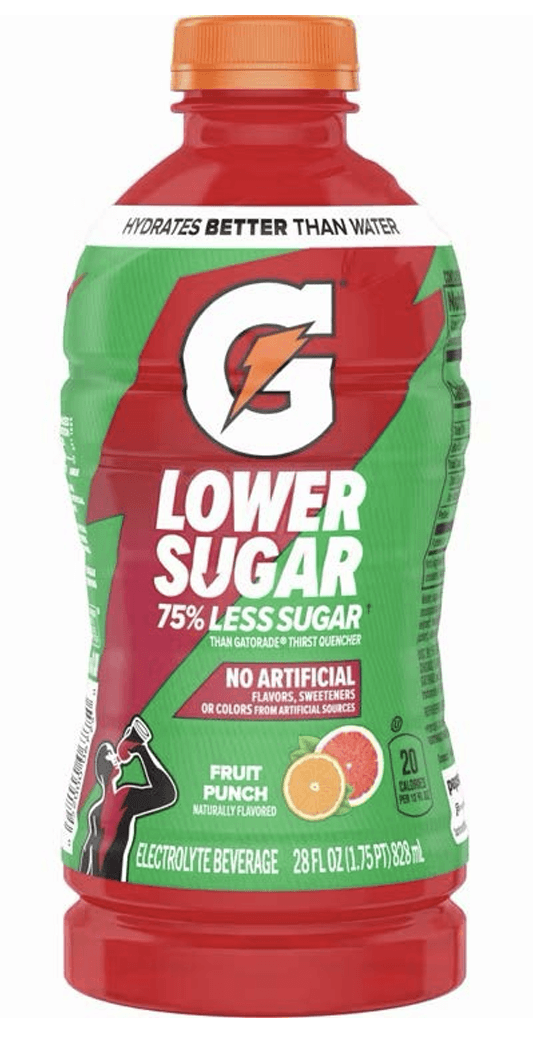
The 29-page Gatorade lawsuit contends that the “more hydrating than water” claim on product labels “is and has been proven false,” and that the “no artificial flavors, sweeteners, or added colors” claim on bottles of reduced-sugar Gatorade is similarly false and misleading since the product contains citric acid, which is commonly used as an artificial flavoring agent.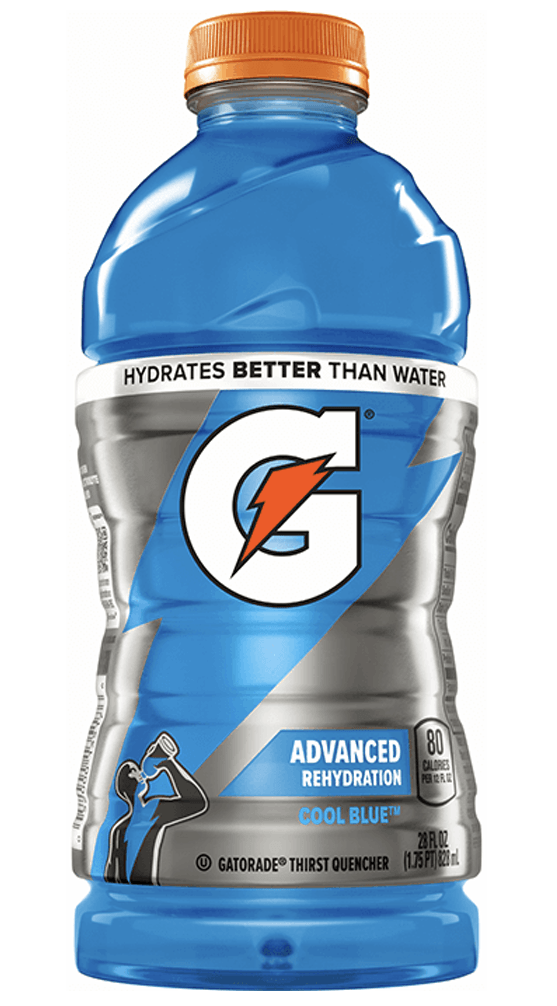
According to the class action lawsuit, Gatorade, a “monolith” within the sports hydration drink industry, is made differently than it was upon its creation in 1965. Whereas the initial Gatorade formulation contained only water, sugar, sodium, potassium phosphate and lemon juice, the modern version of the beverage contains significantly more ingredients, many of which are synthetic, the filing says.
The suit relays that as Gatorade’s packaging has necessarily changed alongside its formulation over the years, the newest packaging for the classic and reduced-sugar varieties is false, misleading and problematic due to the untrue claim that the drinks can hydrate better than water. Moreover, for reduced-sugar Gatorade, the “no artificial flavors, sweeteners, or colors from artificial sources” representation is “demonstrably false,” given that citric acid is the third ingredient listed on the back label, the case contends.
According to the complaint, more than 99 percent of citric acid is produced synthetically because extracting natural citric acid from fruit is “not commercially feasible” or economical. The lawsuit claims that chemically manufactured citric acid has been linked to several health issues in humans, including swelling, stiffness, joint and muscle pain, stomach discomfort and respiratory symptoms.
The suit references medically reviewed articles suggesting that there is limited evidence supporting sports drinks as a better option than water during low-intensity exercise lasting less than an hour. Furthermore, the case says that researchers have flagged concerns with the high sugar content of regular Gatorade, as a 28-ounce bottle has 48 grams of added sugar, greatly in excess of daily sugar limits recommended by the American Heart Association.
“‘Consuming too much added sugar can lead to weight gain, obesity, type 2 diabetes, and heart disease,’” the complaint asserts. “And yet, Gatorade makes no warning about this.”
The lawsuit also references an article on Gatorade’s own website titled “How Gatorade Works & Why It Can Hydrate Better Than Water.” According to the complaint, the use of the word “can” in the article title effectively undermines the challenged packaging claims.
Related Reading: ‘Healthy Real Hydration’ Claims Render Gatorade Fit Misbranded, Class Action Claims
The Gatorade class action lawsuit looks to represent all individuals in the United States who purchased classic Gatorade and/or the reduced-sugar formulation of Gatorade from the beginning of the applicable statute of limitations period through the date of judgment or until the alleged conduct ceases.
Check out ClassAction.org’s lawsuit list for the latest open class action lawsuits and investigations.
Video Game Addiction Lawsuits
If your child suffers from video game addiction — including Fortnite addiction or Roblox addiction — you may be able to take legal action. Gamers 18 to 22 may also qualify.
Learn more:Video Game Addiction Lawsuit
Kratom 7-OH Lawsuits
Anyone who has used 7-OH kratom products and suffered a serious injury, such as overdose, heart attack or addiction, may be able to take legal action.
Read more: Kratom 7-OH Lawsuits
How Do I Join a Class Action Lawsuit?
Did you know there's usually nothing you need to do to join, sign up for, or add your name to new class action lawsuits when they're initially filed?
Read more here: How Do I Join a Class Action Lawsuit?

Stay Current
Sign Up For
Our Newsletter
New cases and investigations, settlement deadlines, and news straight to your inbox.
Before commenting, please review our comment policy.