
Cento San Marzano Lawsuit Filed Over Alleged ‘Tomato Fraud’
Last Updated on May 11, 2026
Andrich et al. v. Cento Fine Foods Inc.
Filed: May 4, 2026 ◆§ 3:26-cv-04012
A class action lawsuit claims Cento falsely touts its tomatoes as ‘certified’ San Marzano and grown in the traditional method.
California
A proposed class action lawsuit alleges that Cento Fine Foods, Inc. has misled consumers by falsely advertising certain canned tomato products as “certified” San Marzano tomatoes.
Want to stay in the loop on class action lawsuits that matter to you? Sign up for ClassAction.org’s free weekly newsletter.
The 23-page complaint contends that the Cento tomatoes at issue—Cento San Marzano Certified Peeled Tomatoes and Cento San Marzano Organic Certified Peeled Tomatoes—are not authentic San Marzano tomatoes and lack the taste, consistency and other physical characteristics consumers associate with the real thing. Although Cento touts its San Marzano tomatoes as “certified,” they are not, in fact, certified by Il Consorzio di Tutela del Pomodoro San Marzano, the only entity authorized to certify and approve San Marzano tomatoes, the lawsuit claims.
“Defendant Cento Fine Foods, Inc. is the primary culprit of this tomato fraud in the United States,” the Cento San Marzano lawsuit alleges.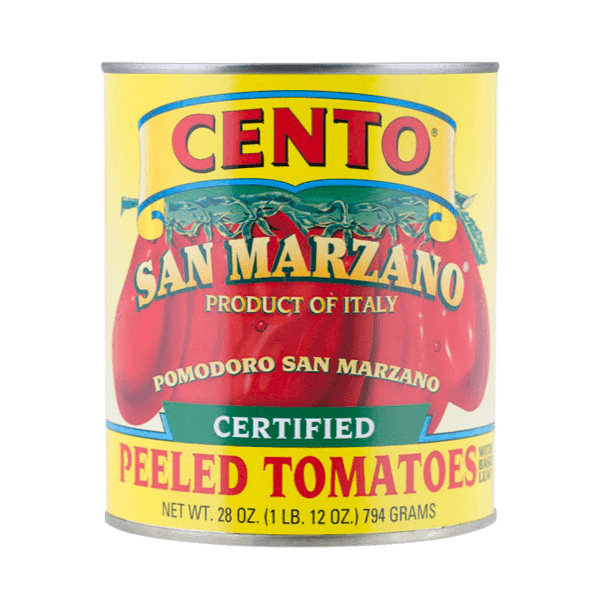
According to the complaint, San Marzano tomatoes are widely recognized as the “Ferrari or Prada” of canned tomatoes due to their distinctive qualities, including their size of six to eight centimeters, easily removable skin, minimal seeds, fleshy pulp and balanced, sweet flavor. Akin to how champagne can be produced only in the Champagne region of France, the case says, real San Marzano tomatoes can only be grown, processed and canned in a specific region in Italy.
To protect their designation and ensure quality, the European Union in 1996 granted the Italian consortium exclusive authority to certify San Marzano tomatoes under the Protected Designation of Origin (PDO) status (or DOP in Italian), the suit explains. Producers meeting these standards can label their products as “San Marzano” and display the consortium’s seal on packaging, the filing says.
Although Cento was once a member of the consortium, the case states that the company was removed in 2011 after Italian authorities found that an associated manager, Giuseppe Napoletano, had been fraudulently labeling uncertified tomatoes as San Marzano. Per the case, an investigation found that 144,000 cans “with the brand label Cento” were falsely labeled “San Marzano DOP tomato” or “San Marzano DOP organic tomato.”
Although Napoletano and his father were found guilty in 2019 by an Italian court, Cento allegedly continued its business relationship with the man, the suit claims.
“[Cento] continued to do business with Napoletano despite his criminal fraud conviction, and instead embarked on the current scheme, which is to continue to sell fake San Marzano tomatoes, but with a fake ‘certification’ by a captive ‘certifier’ that will certify its substandard tomatoes for money,” the lawsuit asserts.
According to the complaint, Cento now relies on certification from a group known as Agri-Cert, which the company describes as an independent agency that verifies growing conditions and sourcing. However, the suit alleges that Agri-Cert is not authorized to certify San Marzano tomatoes under PDO standards and lacks the authority to ensure compliance with those specifications.
The lawsuit contends that only the Italian consortium can grant San Marzano certification, and any representations to the contrary are misleading.
The case also references a 2022 investigation by Italian journalists from a government-owned broadcaster that found that many San Marzano tomatoes sold in the United States would not meet European standards for sale under origin protection and identified that Cento was “the biggest offender.”
According to the lawsuit, the false marketing leads consumers to pay more for an inferior product that does not meet the quality and authenticity standards associated with genuine San Marzano tomatoes.
“The issue with San Marzano tomatoes is widespread fraud,” the complaint emphasizes. “They command a higher price than regular canned tomatoes, and as with any other premium brand, counterfeits follow.’”
The Cento San Marzano class action lawsuit looks to represent all United States citizens and residents who purchased Cento San Marzano tomatoes for their own personal or household use, and not for resale, from January 1, 2016 to the present.
Check out ClassAction.org’s lawsuit list for the latest open class actions.
Video Game Addiction Lawsuits
If your child suffers from video game addiction — including Fortnite addiction or Roblox addiction — you may be able to take legal action. Gamers 18 to 22 may also qualify.
Learn more:Video Game Addiction Lawsuit
Kratom 7-OH Lawsuits
Anyone who has used 7-OH kratom products and suffered a serious injury, such as overdose, heart attack or addiction, may be able to take legal action.
Read more: Kratom 7-OH Lawsuits
How Do I Join a Class Action Lawsuit?
Did you know there's usually nothing you need to do to join, sign up for, or add your name to new class action lawsuits when they're initially filed?
Read more here: How Do I Join a Class Action Lawsuit?

Stay Current
Sign Up For
Our Newsletter
New cases and investigations, settlement deadlines, and news straight to your inbox.
Before commenting, please review our comment policy.