
General Motors Hit With Class Action Alleging ‘Life-Threatening’ Brake System Defect
Thieme et al. v. General Motors LLC
Filed: February 18, 2026 ◆§ 2:26-cv-10570
A class action lawsuit claims that GM knowingly sold thousands of Buick, Chevrolet and GMC vehicles with a defect that renders the brakes stiff and unresponsive.
Magnuson-Moss Warranty Act New Jersey Consumer Fraud Act Michigan Consumer Protection Act Arizona Consumer Fraud Act
Michigan
A proposed class action lawsuit alleges that General Motors knowingly sold hundreds of thousands of Buick, Chevrolet and GMC vehicles with a defective vacuum pump system that can potentially compromise a driver’s ability to brake.
Want to stay in the loop on class action lawsuits that matter to you? Sign up for ClassAction.org’s free weekly newsletter.
The 157-page automotive lawsuit contends that since at least 2017, General Motors (GM) has been aware of a brake defect that drastically affects its vehicles’ brake booster system and results in the loss of power brake function. Per the complaint, this dangerous defect arises without warning to the driver, under any driving conditions, and poses the threat of costly damages.
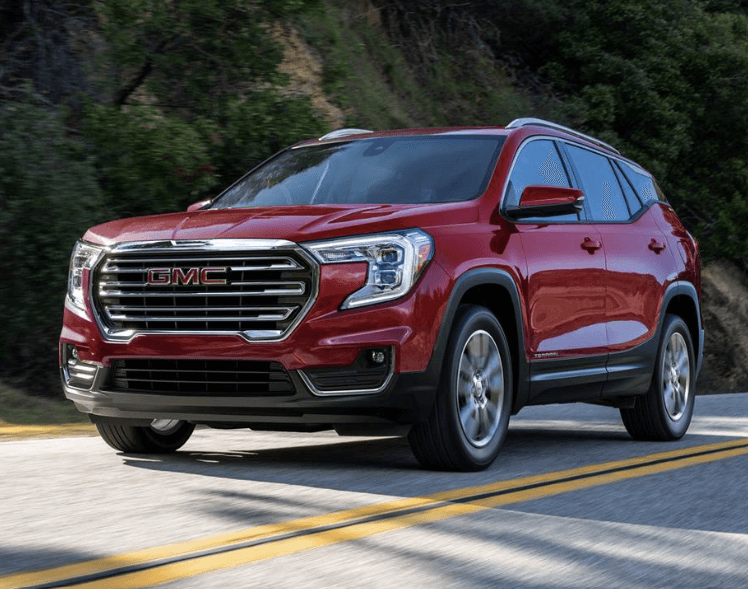
The GM cars at issue in the lawsuit, referred to as the “class vehicles,” include model years 2016-2020 Buick Envision, model years 2018-2022 Chevrolet Equinox and model years 2018-2022 GMC Terrain vehicles. 

According to the case, drivers of the vehicles at issue have filed more than 300 complaints with the National Highway Traffic Safety Administration (NHTSA), describing situations where their brakes suddenly became “hard as a rock” during normal driving and were difficult or impossible to push inwards.
The case cites that, of these 300+ NHTSA complaints, at least 23 incidents resulted in crashes, with eight people sustaining injuries.
Related Reading: 2025 Chevy, Buick, GMC Vehicles Plagued by Master Brake Cylinder Defect, GM Lawsuit Alleges
The vacuum-operated power brake booster, the case explains, is part of a vehicle’s power-assisted braking system and crucially relies on a pressure differential between vacuum and atmospheric pressure that creates a “mechanical advantage,” allowing the driver to stop a several-thousand-pound vehicle with the press of their foot.
“Without vacuum assist, the driver must apply substantially more force to slow or stop the vehicle, a physical demand that can be difficult or impossible to meet, particularly in emergency braking situations,” the complaint states.
The lawsuit maintains that the dysfunction in the GM brake vacuum pump system is caused by a loss of vacuum pressure during normal vehicle operation. This loss of pressure leads to “chronic overwork” and stress on the pump’s components, which further inhibits the system’s ability to generate and maintain consistent vacuum pressure, the suit says. Worse, when excessive stress builds on the pump’s components over time, their ultimate failure typically manifests as an explosion wherein parts of the pump “shatter[] violently,” damaging other parts of the engine, the complaint explains.
The case goes on to say that General Motors has been aware of the defect for years due to the data and reports it collects from service technicians, online forums and complaints, and technical service bulletins stemming back to as early as March 2017 describing the supposed vacuum pump defect.
“For years, GM has concealed the Brake Vacuum Pump Defect from owners and lessees of the Class Vehicles, withholding its knowledge because once known to those owners, the Defect would diminish the Class Vehicles’ intrinsic and resale value and cause GM vehicle owners to demand immediate and costly repairs,” the complaint alleges.
Related Reading: GM Fuel Pump Problem Lawsuits | Terrain, Equinox Recall Not Enough?
Rather than address the defect, the suit relays, GM instead characterized it as a “software anomaly” that allowed the automotive giant to issue software updates and sensor replacements that were a fraction of the cost of replacing the mechanical components.
The suit further claims the company’s knowledge of the defect is confirmed by its surreptitious redesign of the braking systems in 2023 Equinox and Terrain vehicles to “eliminate[] the defective vacuum pump entirely” while leaving owners and lessees of previous models “to fend for themselves.”
The plaintiffs are three drivers from Michigan, Arizona and New Jersey who allegedly paid for class vehicles from authorized GM dealerships that were either new or certified pre-owned after passing the automaker’s internal 172-point inspection. They seek not only monetary relief for damage and injury stemming from the defect, but also injunctive relief that would compel GM to notify current and prospective owners and lessees of the defect.
The GM brake vacuum pump lawsuit looks to represent all persons or entities who purchased or leased a class vehicle in the United States.
Check out ClassAction.org’s lawsuit list for the latest open class action lawsuits and investigations.
Video Game Addiction Lawsuits
If your child suffers from video game addiction — including Fortnite addiction or Roblox addiction — you may be able to take legal action. Gamers 18 to 22 may also qualify.
Learn more:Video Game Addiction Lawsuit
Kratom 7-OH Lawsuits
Anyone who has used 7-OH kratom products and suffered a serious injury, such as overdose, heart attack or addiction, may be able to take legal action.
Read more: Kratom 7-OH Lawsuits
How Do I Join a Class Action Lawsuit?
Did you know there's usually nothing you need to do to join, sign up for, or add your name to new class action lawsuits when they're initially filed?
Read more here: How Do I Join a Class Action Lawsuit?

Stay Current
Sign Up For
Our Newsletter
New cases and investigations, settlement deadlines, and news straight to your inbox.
Before commenting, please review our comment policy.